
LIGHTING DESIGN
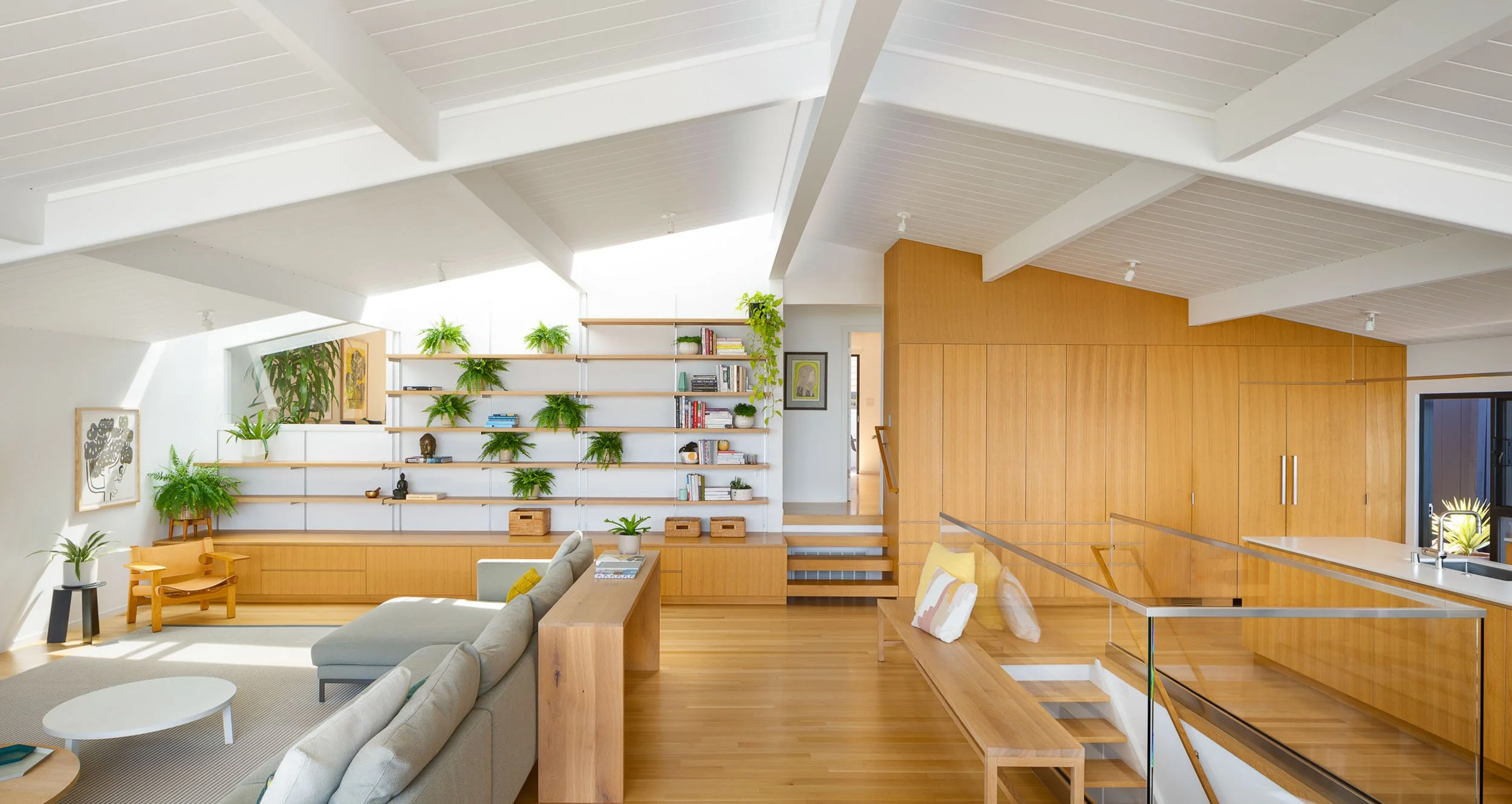
The Art and Science of Lighting Design
Here at LLA, lighting design is fundamental to our work. Lincoln began his career in the construction industry in lighting design, and brings deep knowledge of its technical, aesthetic, health, and emotional aspects to bear on every project.
We approach lighting as both an architectural element and a powerful tool for enhancing how people experience space, affecting mood, functionality, and the overall success of a design. Our lighting design philosophy integrates both natural and artificial sources to create environments that are not only visually comfortable but emotionally resonant.
Natural Light as the Foundation
We begin every project by maximizing the potential of natural light. We strategically position windows and skylights to harvest daylight throughout the day, creating spaces that feel connected to the natural world, maximize beneficial solar gain and comfort, and reduce energy consumption.
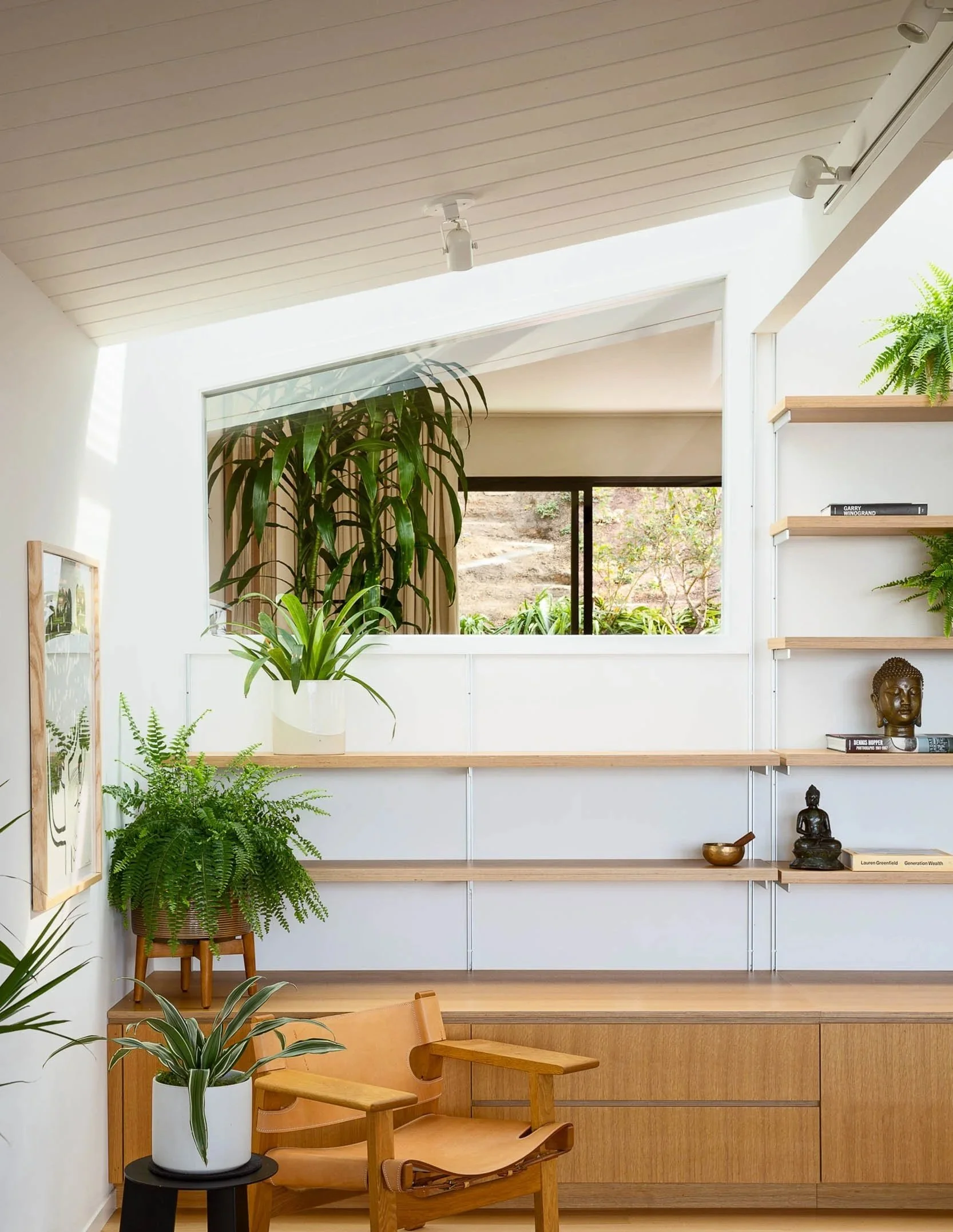
At our Clarendon Heights project, we utilized a large skylight at the back wall of the great room to balance the daylight from a wall of North-facing windows on the opposite side. This placement ensures balanced illumination and color temperature (North light is blue, or cold in lighting terminology, Southern light is yellow, or warm), access to direct Southern rays, and a space that subtly transforms as the sun moves across the sky.
The Art of Indirect Illumination
When designing artificial lighting, we aim to accentuate the architecture and make spaces more visually coherent on a number of levels. We reject the conventional approach of directly illuminating people and spaces, never lighting a room with the all too common and simplistic grid of downlights, which creates a bright floor, dark walls (the “cave effect”) and uncomfortable and unflattering glare and shadowing on occupants.
Instead, we prefer to light surfaces—walls, ceilings, artwork, and countertops—allowing these elements to reflect soft, indirect light throughout the space, highlighting the architecture, art, and task areas, and creating a more comfortable, flattering environment for users. The result is a space that feels calm, welcoming and sophisticated.
How Light Affects Us
It is widely understood today that light has a tremendous impact on people. From the effect of daylight on mood (seasonal affective disorder) to the need for different colors, or how warm or cool light appears (Kelvin temperature), to the importance of how well light renders the color of objects in the space (color rendering index, or CRI), the precise application of the right type of light has a major effect on both the quality of the visual experience of architecture and the often more subliminal experience of its users. At LLA, we specify a wide range of lighting sources to achieve these requirements, with a focus on dynamic color changing lighting to mimic everything from daylight to candlelight and everything in between, all to give our clients an experience of light and architecture that meets their needs on many levels.
Technical Excellence in Implementation
Achieving all of these goals requires deep technical knowledge of lighting equipment and how to specify it correctly. Properly applying modern LED lighting technology requires an understanding of the required output, beam control and placement, color rendering, glare control, color temperature and it’s dynamic control, energy efficiency, compatibility with different types of controls, and more. Lincoln’s background in lighting allows him to precisely control and specify lighting for every project in a way that goes beyond what most architects offer.
Layers of light
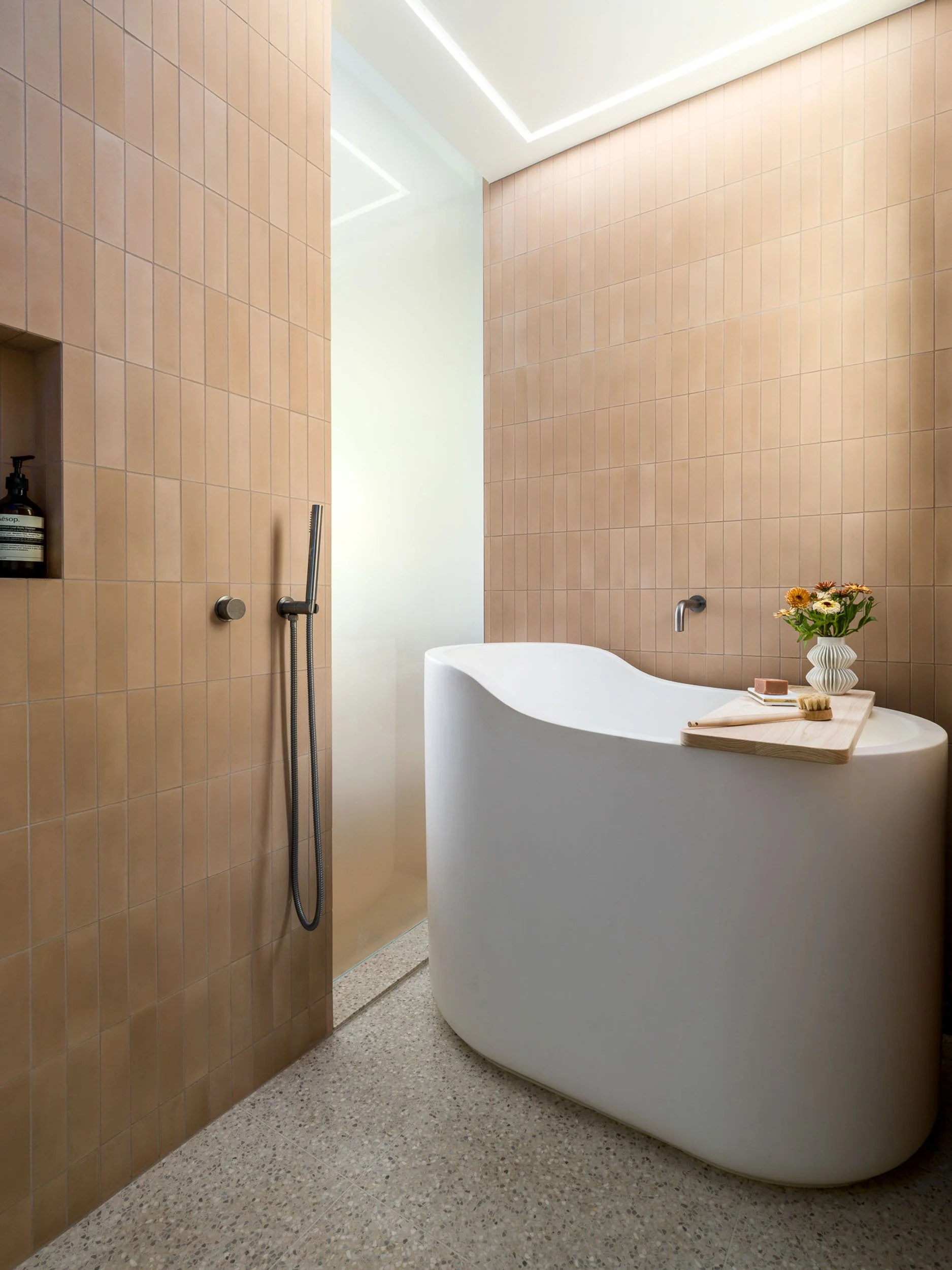
We use light in service of the architecture, first and foremost, which in turn benefits its occupants. This means that most fixtures are concealed, and their effect is visible on the surfaces they illuminate. While we often specify decorative lighting, it is but one layer in a system that addresses ambient, accent, task, and other elements that make up a complete lighting design. Lighting controls are also fundamental to this approach, allowing one-touch control of multiple sources in every space, with options for different scenes, moods, combinations, and light levels.
At our Clarendon Heights Midcentury project, LED strips mounted to the bottom flange of the central steel ceiling beam uplight the ceiling, creating a sense of height and openness and providing a soft layer of general lighting. This central illumination is balanced by perimeter, concealed lighting that highlights walls and shelves, task lighting on the kitchen work surfaces, and decorative lighting over the dining area, ensuring the space feels cohesive and well-defined.
By treating lighting as an integral architectural element that responds to the unique qualities of each project, we enhance our designs and our clients' well-being. This holistic approach to lighting design represents the intersection of art and science that Lincoln celebrates as a fundamental tenet of architecture—where technical expertise and a keen eye elevate human experience.
Interested in working with Lincoln on a lighting design project? Schedule a free project evaluation call to begin the process.